Hearing Loss Challenges and Dementia Risk: What the New WHO Guidelines Mean for You
It can start subtly: You might find yourself leaning in a little closer during conversations at a bustling cafe or asking your grandkids to repeat themselves because you missed the punchline of their story. Sometimes, you might leave a family dinner at a restaurant feeling more tired than fulfilled, simply from the effort of trying to keep up.
These moments can feel like small, everyday annoyances, but what if they were signals of something more significant?
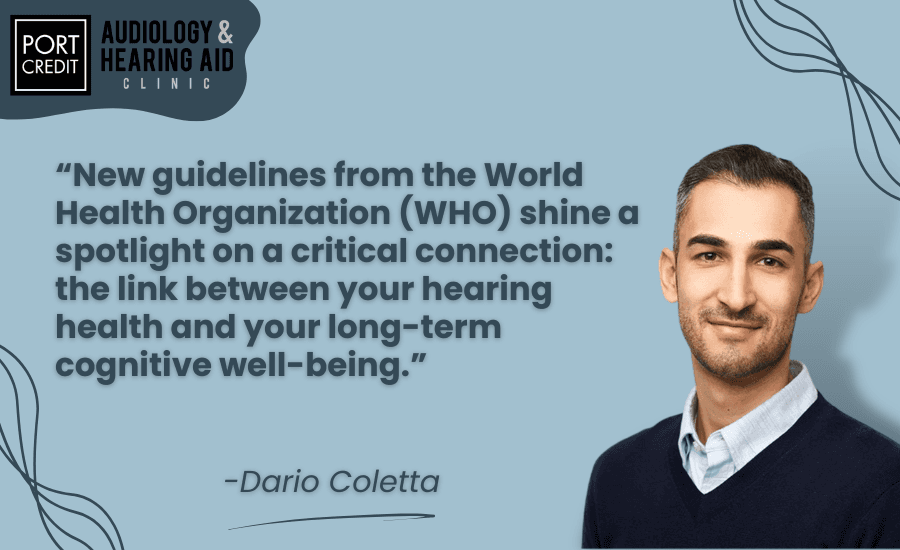
September is World Alzheimer’s Month, a time to focus on brain health and raise awareness of Alzheimer's disease and other forms of dementia. In July 2026, new guidelines from the World Health Organization (WHO) are shining a spotlight on a critical connection: the link between your hearing health and your long-term cognitive well-being.
Understanding the Brain-Hearing Connection
When sounds are unclear or difficult to hear, your brain has to work harder to fill in the gaps and make sense of what you’re hearing. This added effort, known as cognitive load, can draw on mental resources that would otherwise support attention, memory and thinking.
As conversations become harder to follow, you may also find yourself avoiding situations where listening feels particularly challenging. Dinners with friends, family gatherings and community events can become tiring or frustrating, making it tempting to withdraw.
Over time, reduced social engagement and isolation can affect your overall well-being and are associated with an increased risk of cognitive decline and dementia. By improving access to clear sound, appropriate hearing care reduces the effort required to follow conversations while making it easier to remain socially connected.
What Do the WHO Guidelines Actually Say?
The WHO has recognized the importance of hearing care in dementia risk reduction since its 2019 guidelines. The updated 2026 guidance builds on this by specifically stating that hearing aids may be offered to adults with hearing loss challenges as part of a broader approach to reducing the risk of cognitive decline and dementia.
It's important to note that hearing aids can't cure or prevent dementia. Instead, the guidance reinforces hearing care as one practical intervention that may help address a modifiable risk factor while supporting communication, social engagement and quality of life over the long term.
Your First Step Toward Stronger Cognitive and Hearing Health
A comprehensive hearing assessment is an important part of looking after your long-term health. Your first assessment provides a clear picture of your hearing and establishes a baseline, which gives you a useful reference for monitoring changes over time.
It’s normal to feel nervous about having your hearing assessed, but there’s no need to worry! Our evaluations are quick, simple and painless, using non-invasive assessments to measure how well you hear different frequencies and volumes and how well you understand speech, including in background noise.
Ready to take the first step? Contact the team at Port Credit Audiology today to schedule an appointment or request a callback.
Frequently Asked Questions (FAQs)
Q: If I have hearing difficulties, will I need hearing aids?
A: Not necessarily. Recommendations depend on the cause and extent of the hearing loss challenges, the effect they have on your everyday communication and your personal priorities.
After reviewing your results, your hearing care professional might suggest periodic monitoring, practical listening strategies, medical follow-up, assistive technology or hearing aids.
Q: Why is addressing even mild hearing challenges important for brain health?
A: Even mild hearing difficulties force your brain to work harder to interpret sound. Over the years, this increased cognitive load can contribute to structural changes in the brain and accelerate cognitive decline.
By treating hearing loss challenges with properly fitted hearing aids, you provide your brain with clearer sound, reducing this strain and freeing up cognitive resources.
Q: How do I know if I’m experiencing hearing challenges?
A: Changes in your hearing can be very gradual. You might find yourself frequently asking others to repeat themselves, turning up the TV volume louder than others prefer or struggling to follow conversations in noisy environments like restaurants.
Another common sign is having difficulty hearing high-pitched voices, such as those of children or women. If you feel mentally exhausted after social gatherings, it could be from the strain of trying to listen.
If any of these situations sound familiar, a hearing assessment is the best way to get definitive answers.
Sources:
Request a Callback
Search